
DevOps Engineering (4 months)
#800,000
Course Description:
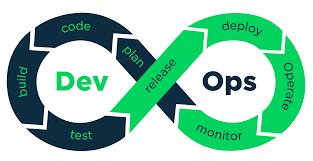
The DevOps Engineering course on the AWS Cloud Provider Platform offers a comprehensive introduction to DevOps practices and tools. This course covers essential DevOps concepts, including Linux command basics, version control with Git and GitHub, continuous integration/continuous deployment (CI/CD) pipelines with Jenkins and GitHub Actions, configuration management with Ansible, containerization with Docker, infrastructure as code with Terraform, monitoring with Nagios, and orchestration with Kubernetes. Participants will engage in hands-on exercises to develop practical skills for automating and streamlining the software development lifecycle.
Course Objectives:
• Understand DevOps Principles: Learn the core principles and practices of DevOps and how they enhance the software development lifecycle.
• Master DevOps Tools: Gain proficiency in using key DevOps tools and technologies on the AWS platform.
• Automate Development Processes: Develop skills to automate build, test, and deployment processes using CI/CD pipelines.
• Manage Infrastructure Efficiently: Learn to manage and automate infrastructure using configuration management and infrastructure as code tools.
• Monitor and Optimize Systems: Implement monitoring and logging solutions to ensure system reliability and performance.
Learning Outcomes:
• Linux Command Basics: Understand and use basic Linux commands for system administration and automation.
• Version Control with Git and GitHub: Use Git and GitHub for version control, collaboration, and repository management.
• CI/CD with Jenkins and GitHub Actions: Create and manage CI/CD pipelines using Jenkins and GitHub Actions to automate software builds, tests, and deployments.
• Configuration Management with Ansible: Automate configuration management and application deployment using Ansible.
• Containerization with Docker: Build, manage, and deploy containerized applications using Docker.
• Infrastructure as Code with Terraform: Define and provision infrastructure using Terraform.
• Monitoring with Nagios: Implement monitoring solutions using Nagios to ensure system health and performance.
• Orchestration with Kubernetes: Deploy, manage, and scale containerized applications using Kubernetes.